




What is the installation process for floor armoured joints on tile floors?
 Nov 24, 2025|
 Hey there! As a supplier of floor armoured joints, I'm super stoked to walk you through the installation process for these bad boys on tile floors. Floor armoured joints are crucial for protecting the edges of tile floors, especially in high-traffic areas. They add durability and a professional touch to any space. So, let's dive right in!
Step 1: Preparation
Before you start installing floor armoured joints, you've gotta get everything ready. First off, measure the area where you'll be installing the joints. Make sure you've got the right length and quantity of armoured joints. You don't want to run out in the middle of the job!
Next, clean the tile floor thoroughly. Remove any dirt, dust, or debris. A clean surface ensures better adhesion of the armoured joints. You can use a mild detergent and a scrub brush to get the floor nice and clean. Rinse it well and let it dry completely before moving on.
Step 2: Marking the Layout
Once the floor is clean and dry, it's time to mark the layout for the armoured joints. Use a straightedge and a pencil to draw a line where you want the joints to be installed. Make sure the lines are straight and evenly spaced. This step is crucial for a professional-looking installation.
If you're installing multiple joints, you might want to use a chalk line. It's easier to create long, straight lines with a chalk line. Just snap the line down on the floor along the marked path, and you'll have a clear guide for installation.
Step 3: Cutting the Armoured Joints
Now that you've marked the layout, it's time to cut the armoured joints to the right length. You can use a hacksaw or a power saw to cut the joints. Make sure you wear safety goggles and gloves when cutting the joints.

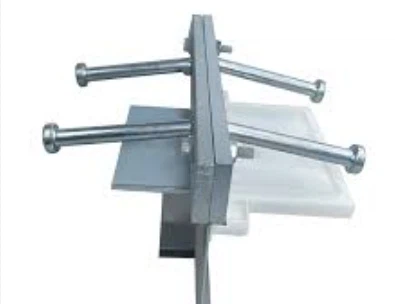
Measure the length of the marked area and use a measuring tape to mark the joints accordingly. Cut the joints at a 90-degree angle for a clean finish. You can also use a miter saw to cut the joints at an angle if you need to create a corner or a custom shape.
Step 4: Applying Adhesive
Once the joints are cut to the right length, it's time to apply adhesive to the back of the joints. You can use a construction adhesive or a silicone-based adhesive. Make sure the adhesive is suitable for use on tile floors.
Apply a thin, even layer of adhesive to the back of the joint. You can use a notched trowel to spread the adhesive evenly. Make sure you cover the entire back of the joint with adhesive.
Step 5: Installing the Armoured Joints
Now it's time to install the armoured joints on the tile floor. Carefully place the joint on the marked line and press it down firmly. Make sure the joint is aligned with the marked line and is flush with the tile floor.
Use a rubber mallet or a hammer and a block of wood to tap the joint into place. This helps to ensure good adhesion between the joint and the floor. Make sure the joint is firmly attached to the floor and there are no gaps or bubbles.
Step 6: Sealing the Joints
After the joints are installed, it's time to seal the joints. You can use a silicone sealant or a caulk to seal the joints. Make sure the sealant is suitable for use on tile floors and is the same color as the joints.
Apply a thin, even layer of sealant to the joints. Use a caulk gun to apply the sealant. Make sure you cover the entire joint with sealant. Smooth the sealant with a putty knife or a caulk smoothing tool.
Step 7: Cleaning Up
Once the sealant has dried, it's time to clean up. Use a damp cloth to wipe away any excess sealant or adhesive from the tile floor. Make sure you clean up the area around the joints as well.
You can also use a tile cleaner to clean the tile floor. This helps to remove any dirt or debris that might have accumulated during the installation process.
Different Types of Floor Armoured Joints
There are several types of floor armoured joints available in the market. Some of the popular types include Sinusoidal Floor Armored Joint, Workshop Floor Joints, and Concrete Floor Armored Joints.
Sinusoidal Floor Armored Joints are designed to provide flexibility and absorb movement. They're ideal for areas where there's a lot of foot traffic or where the floor might expand or contract.
Workshop Floor Joints are heavy-duty joints that are designed for use in industrial or commercial settings. They're made of strong materials and can withstand heavy loads.
Concrete Floor Armored Joints are designed for use on concrete floors. They provide protection for the edges of the concrete and help to prevent cracking and chipping.
Conclusion
Installing floor armoured joints on tile floors is a relatively simple process, but it does require some preparation and attention to detail. By following the steps outlined in this blog post, you can ensure a professional-looking installation that will last for years to come.
If you're in the market for high-quality floor armoured joints, look no further. As a supplier, we offer a wide range of joints to suit your needs. Whether you're looking for sinusoidal joints, workshop joints, or concrete joints, we've got you covered.
If you have any questions or need more information about our products, feel free to reach out. We're always happy to help you with your floor armoured joint needs. Let's start a conversation and see how we can work together to enhance the durability and appearance of your tile floors.
References
- Construction Adhesive Manufacturer's Guide
- Tile Installation Handbook
- Floor Armoured Joint Installation Manual