

-
 2024-1-16
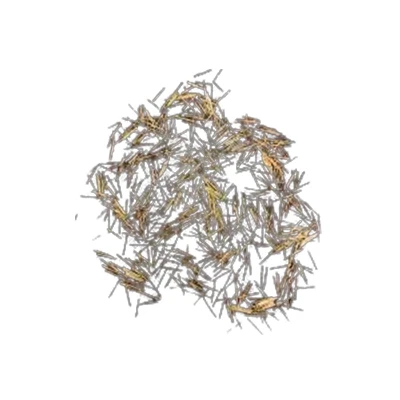
The role of adding steel fiber to refractory castables
The main functions of adding steel fiber to refractory castables are: (1) Enhance toughness, improve stress-strain resistance, and improve mechanical impact resistance. (2) Improve thermal shock resis -
 2024-1-15
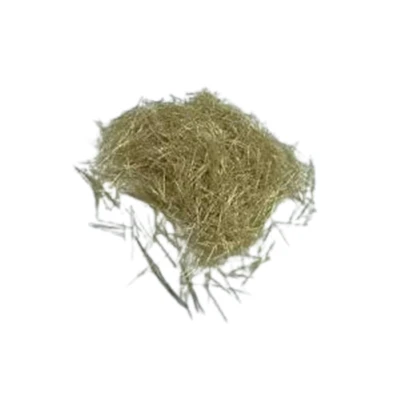
What is the difference between steel fiber and fiber?
Steel fiber refers to the aspect ratio (the ratio of fiber length to its diameter) that is made by cutting thin steel wires, shearing cold-rolled strip steel, milling steel ingots, or rapid condensati -
 2024-1-14
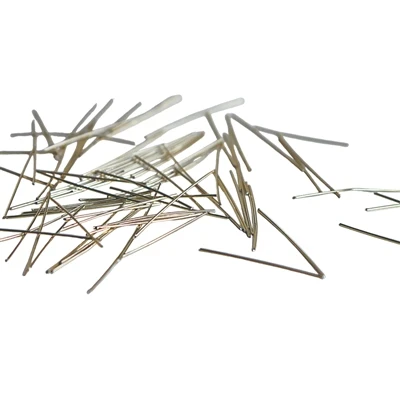
What standards must steel fiber have to be considered high-quality steel fiber?
In industry standards, high-quality steel fiber should meet the following points: 1. The bending resistance of steel fibers. Steel fibers should be able to withstand continuous bending of 90° by s -
 2024-1-13
How many kilograms of steel fibers are added to each cubic meter of concrete?
Steel fiber content varies depending on the project direction. The specific requirements are as follows: 1. Determined by the steel fiber material and the parts used in the project, the dosage of stee -
 2024-1-12
Types and characteristic parameters of steel fibers
According to the material, steel fiber can be divided into ordinary carbon steel fiber and stainless steel fiber. Among them, ordinary steel fiber is the most used; according to the shape, it can be d -
 2024-1-11
What are the main types of steel fibers?
1. Sheared steel fiber: This kind of steel fiber is obtained by shearing steel plates. It is generally flat in shape and has hooks on both ends. Shear steel fibers can provide good tensile strength in -
 2024-1-10
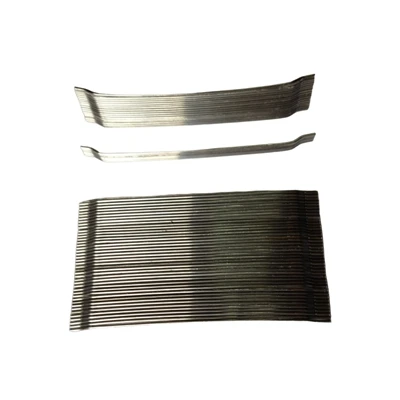
What types of steel fiber production are there?
There are many types of steel fibers, such as sheared steel fibers, milled steel fibers, row steel fibers, and plastic steel fibers. -
 2024-1-09
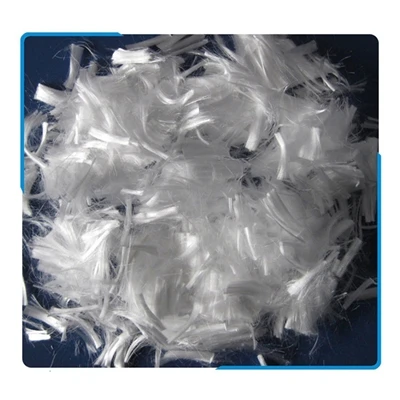
Does polypropylene fiber contain salt?
Polypropylene fibers are salt-free. Because polyethylene fiber is a treated polypropylene monofilament, this material is very safe, non-toxic and harmless, and is a green and environmentally friendly -
 2024-1-08
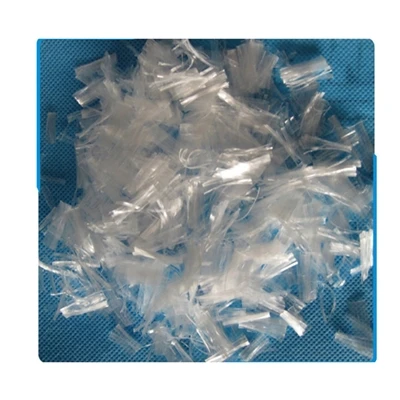
The difference between polypropylene fiber and PAL
1. Production raw materials: Polypropylene fiber is a synthetic fiber spun from isotactic polypropylene obtained by polymerization of propylene. The raw material for PAL is polyethylene, which is spun -
 2024-1-07
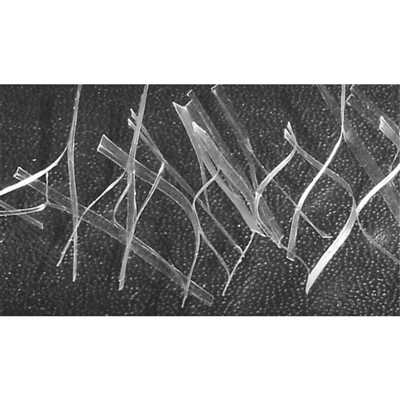
The difference between PP fiber material and drawing material
Differences in raw material properties and application fields: 1. Raw material properties: PP fiber material is made by melting and extruding polypropylene plastic particles, which has good stretchabi -
 2024-1-06
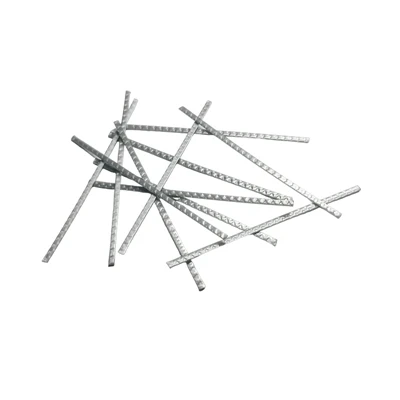
What are the characteristics of polypropylene fiber?
1. Polypropylene fiber has high strength, wear resistance, good elasticity and corrosion resistance. Polypropylene fiber has high strength (the same strength in dry/wet conditions), and its strength c -
 2024-1-05
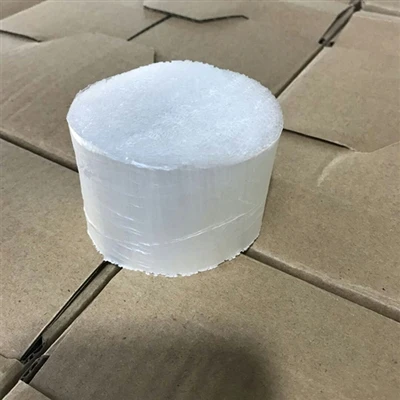
Introduction to identification skills of PP fiber
1. Comparative visual inspection method High-quality fiber, neat length, uniform thickness, light and bright white color. Doubled yarn, sizing yarn, thick yarn, rolled yarn, oily yarn, agglomerated ya
 Language
